Metal additive manufacturing is not one process. Different AM architectures solve fundamentally different manufacturing problems.
NIST describes powder bed fusion as a layer-by-layer process in which powder is selectively fused using either a high-power laser or electron beam. NASA and NIST research also demonstrate the growing use of directed-energy systems for large metallic aerospace structures and high-performance components.
Laser Powder Bed Fusion
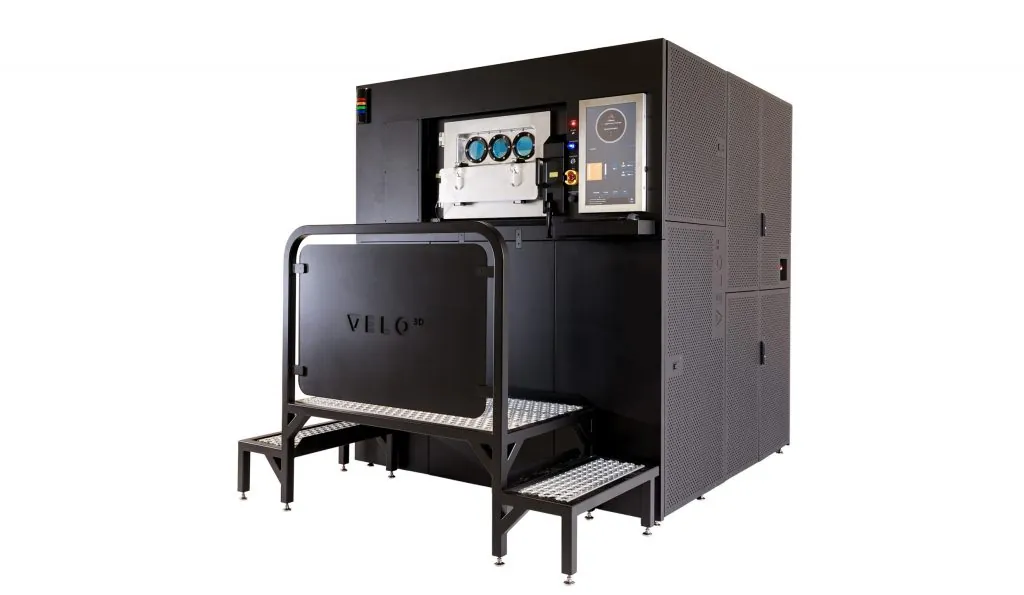
L-PBF spreads thin layers of powder and selectively melts them with a laser.
Its major aerospace advantage is geometric freedom. Internal channels, lattice structures, consolidated assemblies and lightweight topology-optimized parts can be manufactured in ways that conventional machining or casting may struggle to reproduce.
NASA maintains a technical standard specifically providing a framework for implementing L-PBF metallic parts in high-reliability spaceflight applications.
The technology nevertheless requires strict process control.
NIST research identifies residual stress, distortion, surface finish, thermal variation, lack-of-fusion and keyhole-type defects as continuing process-control concerns.
Parts commonly require support removal, heat treatment, HIP, machining, surface finishing and inspection.
Therefore, “3D printed” rarely means “finished.”
Electron Beam Powder Bed Fusion
EBM—or electron-beam powder bed fusion—uses an electron beam rather than a laser and operates in a vacuum.
The process can be attractive for reactive materials such as titanium and runs with an elevated thermal environment that can reduce some residual-stress problems.
However, EBM typically offers a different tradeoff between build rate, surface finish and feature resolution than L-PBF.
The decision should therefore follow the component's material, geometry, production economics and qualification strategy rather than the assumption that one powder-bed process is universally superior.
Directed Energy Deposition
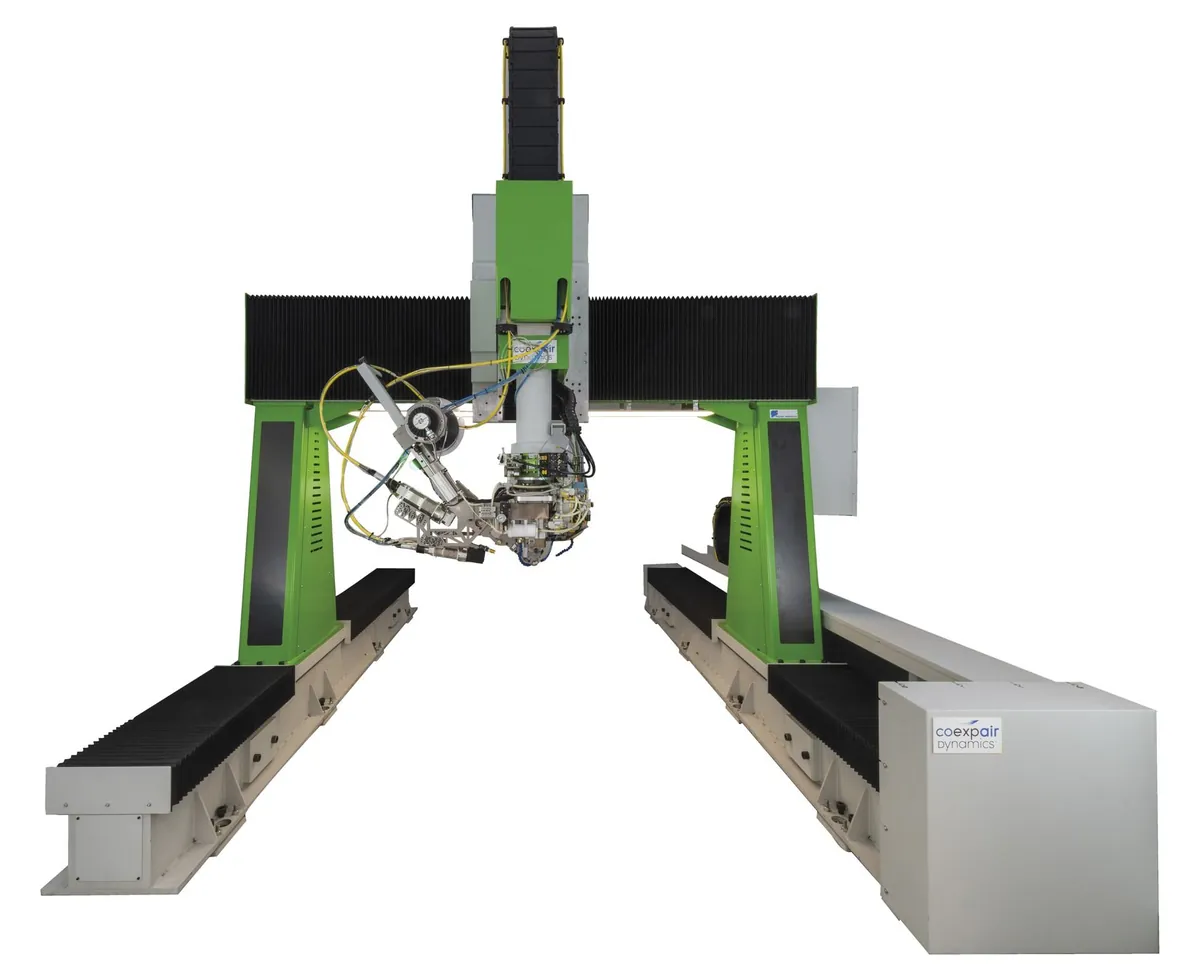
DED feeds powder or wire directly into a melt pool created by a focused energy source.
Unlike powder-bed systems, DED can deposit material onto an existing component.
That makes the technology particularly attractive for:
repair, feature addition, large near-net-shape structures and material-efficient production.
NASA has long studied electron-beam freeform fabrication for aircraft structural applications because near-net-shape deposition can reduce material waste and part count.
Its drawback is resolution. DED components generally require substantially more machining than fine powder-bed components.
WAAM
Wire Arc Additive Manufacturing uses an electric arc with wire feedstock.
Its advantage is scale and deposition rate.
Rather than attempting to directly print the final high-precision surface, WAAM is often best viewed as an automated method for creating a near-net-shape metal preform.
The part is subsequently heat treated and CNC machined to final dimensions.
For a large titanium or aluminum structural component, this approach can potentially reduce the amount of expensive billet material that must be removed.
Qualification Is the Real Aerospace Challenge
Producing a visually correct additive part is only the beginning.
Aerospace adoption depends on controlling:
powder or wire feedstock, machine condition, parameter sets, build orientation, thermal history, post-processing, heat treatment, inspection, material properties and process traceability.
NIST emphasizes that metrology, monitoring and machine/process qualification remain central challenges in industrializing metal AM.
Choosing the Correct Process
Choose L-PBF when complexity and fine geometry dominate.
Consider EBM when the material and thermal processing environment make electron-beam powder-bed processing attractive.
Choose DED for larger features, repair or material addition to existing structures.
Consider WAAM when deposition rate and very large near-net-shape geometry matter more than as-deposited precision.
The best aerospace AM system is therefore not the machine with the most impressive specification.
It is the technology whose process physics, qualification pathway and post-processing chain match the component.